

Renovations Without Permits: 3 Questions to Ask Before Buying in Montreal
A missing permit rarely shows during a visit — and many buyers would rather not look for one. Psychology calls it the ostrich effect: avoiding information that might be unwelcome.

Work done without a municipal permit can lead to non-compliance, insurance problems, unexpected correction costs and complications at resale. Three checks before offering: what work was done, who carried it out and whether permits were obtained. Asking early costs less than finding out later.
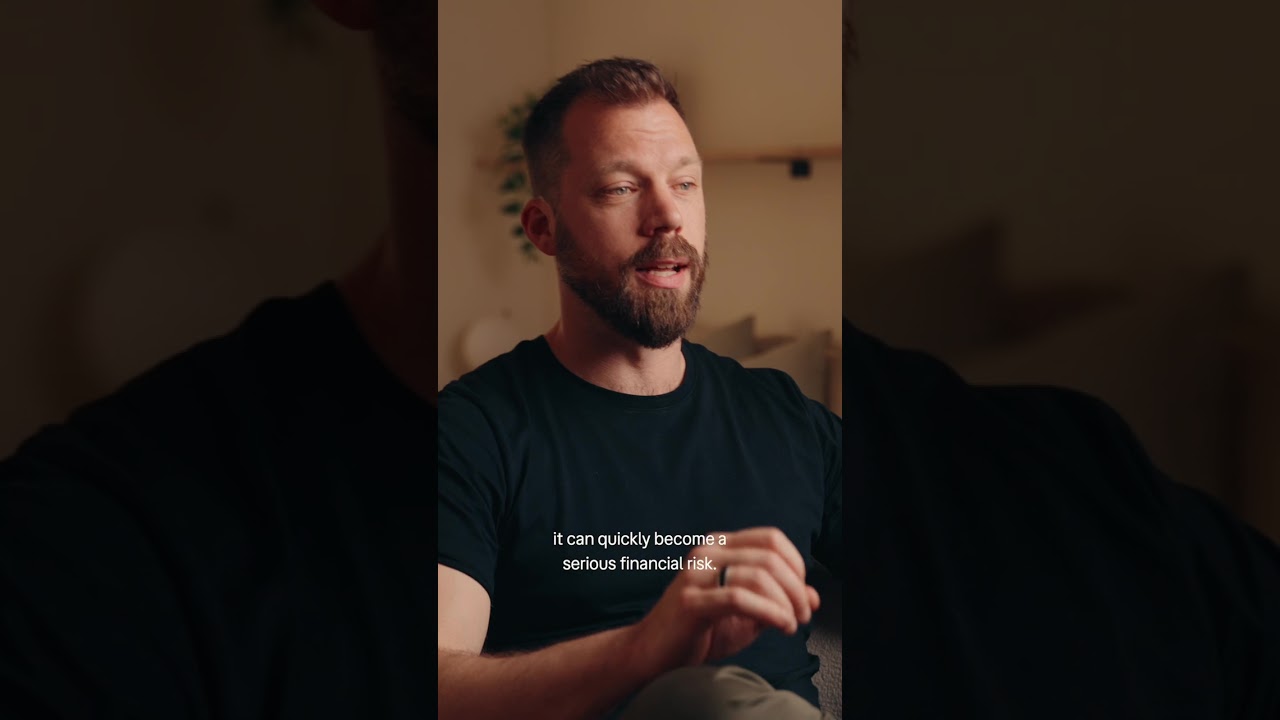
David Tardif, Endurance Groupe Immobilier par Tardif · Duration: about 50 seconds (video in French)
Why a missing permit gets expensive
A municipal permit confirms that a project was reviewed against the regulations in force. When work is done without one, that check never happened — and the buyer inherits the uncertainty along with the keys.
The video description lists four possible consequences: non-compliance with building standards, insurance problems, unexpected correction costs and complications at resale. None is certain in every case; each depends on the work, the municipality and the insurer.
Three kinds of work deserve particular attention: structural changes (a load-bearing wall removed, an opening widened), electrical work and extensions. These are where a mistake costs the most to fix — and where a missing permit is hardest to spot by eye.
The ostrich effect: why we avoid asking
The ostrich effect is the tendency to avoid information that might be unwelcome, even when it would help us decide. The term comes from a 2009 study by Niklas Karlsson, George Loewenstein and Duane Seppi: investors checked their portfolios less often when markets were falling.
The mechanism is emotional. Bad news hurts right away; not looking protects the present moment. Russell Golman, David Hagmann and George Loewenstein reviewed this behaviour in a 2017 survey of information avoidance (Journal of Economic Literature).
For a buyer, the scenario is familiar. The home feels right, the price works, the calendar is tight. Asking who did the renovations and whether permits exist risks surfacing a problem — and spoiling the excitement. Better not to know, the thinking goes, until the problem becomes ours.
A word of rigour: these studies involve investors and laboratory experiments, not property buyers. The parallel is a reading, not proof — but it sheds light on a common reflex: the question we avoid is often the one whose answer would change the decision.
What the video takes away
“A missing permit may seem harmless today, but it can become a major expense tomorrow.”— Endurance Groupe Immobilier par Tardif, video description (translated) · enduranceimmobilier.com
The video brings the check down to three simple questions: what work was done, who carried it out and whether the required municipal permits were obtained.
A question asked before the offer costs a few minutes; the same answer discovered after the purchase arrives with an invoice.
Asking or avoiding: what changes
Two ways to approach the visit
The paradox: not asking feels like protecting a good deal. In practice, the uncertainty stays in the file and passes to the buyer. A problem found before the offer can be negotiated; found after, it gets paid.
Renovations without permits: the real questions to ask
Before making an offer
- What work has been done since the property was built?
- Who carried it out: a contractor or the owner?
- Were the required municipal permits obtained, and can I see proof?
- Have structural changes, electrical work or extensions been checked in particular?
- Am I not daring to ask because I’m afraid of the answer?
To go further on how emotions shape a purchase decision: buyer’s remorse — how to diagnose it before deciding
A broker’s role when work looks doubtful
A broker replaces neither the inspector nor the municipality. A broker helps ask the right questions at the right time, request documents from the seller and fold the answers into the offer strategy — conditions, deadlines, price.
Endurance Groupe Immobilier par Tardif supports buyers and sellers of houses, condos and plexes in Montréal and Greater Montréal at every step of the transaction. To talk it through: David Tardif, 514-418-1094, or info@enduranceimmobilier.com.
The Science of Real Estate — other articles in the series
- After the Inspection: When (and How) to Renegotiate the Price
- Pre-Purchase Inspection: Is Walking Away After the Report, Money Wasted?
- Repairs or Credit After a Home Inspection? The Psychology Behind the Right Choice
- Buyer’s Remorse: How to Diagnose Yours Before Making the Wrong Move
- Rent or Sell My Home: Why Is the Decision So Hard?