
After the Inspection: When (and How) to Renegotiate the Price
An inspection report doesn’t automatically entitle you to a discount. What matters is how the request is perceived: a seller who finds it unfair may refuse, even if refusing costs them the sale. That’s the ultimatum game.
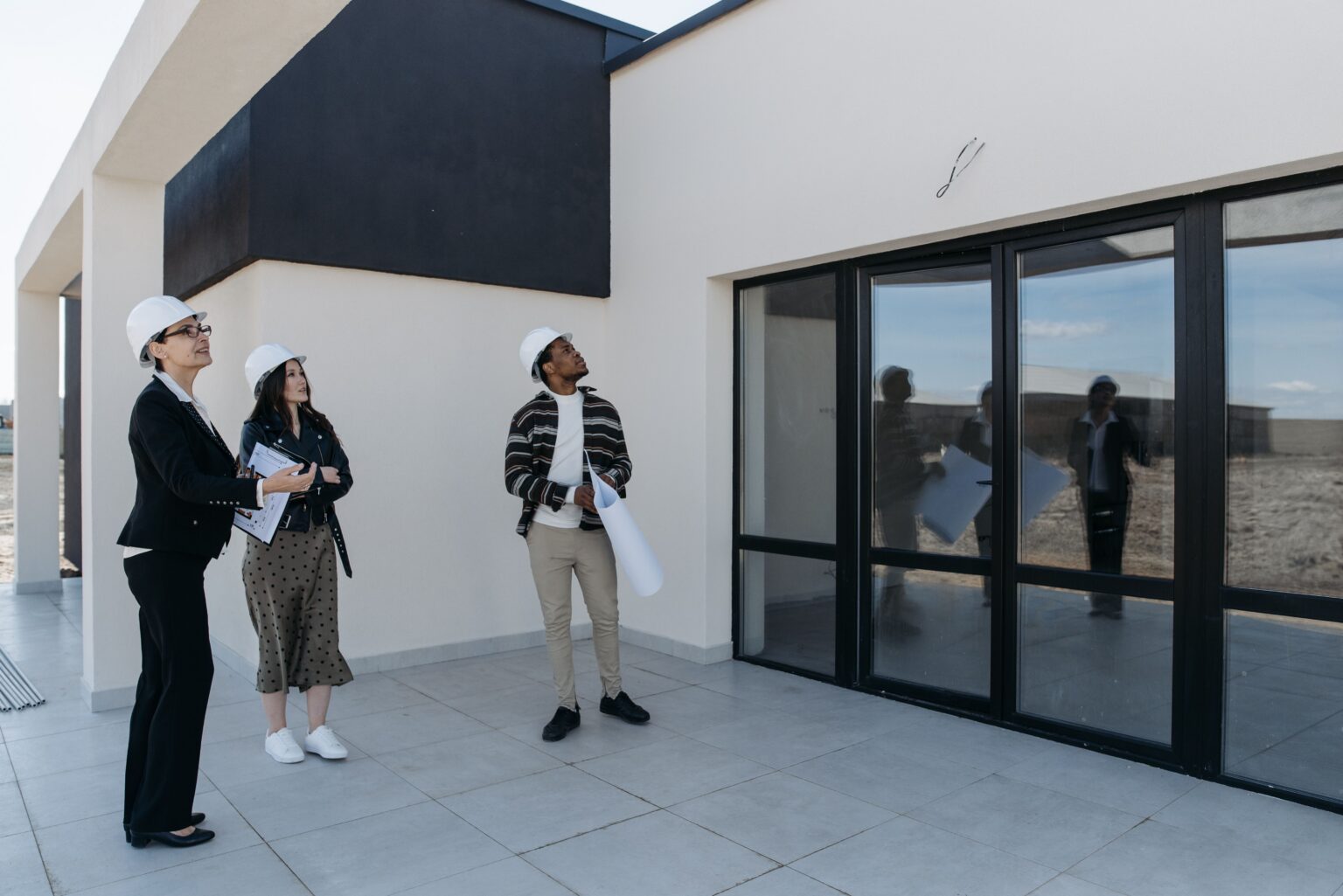
A major problem that was unknown when you made the offer can justify renegotiating. A credit request with no proof, on the other hand, risks being seen as unfair — and damaging trust. Back every request with the report, stay proportionate and explain your reasoning.

David Tardif, Endurance Groupe Immobilier par Tardif · Duration: about 45 seconds (video in French)
When is it reasonable to renegotiate?
A pre-purchase inspection exists first to protect your investment. It isn’t meant to systematically reopen an offer that has already been accepted.
Renegotiating makes sense when the report reveals a significant problem that wasn’t known when you made the offer: water infiltration, a cracked foundation, an aging system. Minor defects, or ones visible during the showing, were normally already reflected in the price.
It all depends on the problems found and on how the negotiation is handled. The second point is the one psychology explains best.
The mechanism: why an “unfair” request gets refused
In 1982, economists Werner Güth, Rolf Schmittberger and Bernd Schwarze published the first study of the ultimatum game. One participant proposes how to split a sum of money. The other either accepts — and both are paid — or refuses, and nobody gets anything.
Pure financial logic says to accept any offer above zero. In practice, people often refuse offers they consider unfair. In many studies, offers below about 20% of the sum are refused roughly half the time (Camerer, 2003). Refusing costs them something, and they do it anyway: punishing unfairness weighs more, in the moment, than the gain.
A post-inspection negotiation follows the same logic. The seller accepted a price. A credit request that looks arbitrary — no proof, no link to the report — feels disrespectful. They may refuse, even at the cost of delaying or losing the sale.
The experiment is run in a lab, and results vary by context. The principle, though, shows up in everyday negotiations: perceived fairness weighs as much as the amount.
What the video takes away
The pre-purchase inspection is above all there to protect your real estate investment — not to systematically renegotiate an offer that has already been accepted.— Endurance Groupe Immobilier par Tardif, video description (translated) · enduranceimmobilier.com
The video covers four points: when it’s reasonable to renegotiate the price, how to justify a request with the inspection report, why some credit requests damage trust between buyer and seller, and how to approach the negotiation fairly and transparently.
The common thread comes down to one word: fairness. A documented, proportionate request can be discussed. A request seen as opportunism closes the door.
Smart move or insult: what makes the difference
How the request is perceived
The paradox: the most aggressive request isn’t the most profitable. A request judged unfair can cost more than the credit you hoped for — the sale itself, or the seller’s goodwill for the rest of the transaction.
Negotiating after an inspection: the right questions to ask
Before asking for a discount
- Was this problem known or visible when I made my offer?
- Does the report document it clearly, with photos or an estimate?
- Is my request proportionate to the real cost of the fix?
- If I were in the seller’s place, would I find this request fair?
- Am I protecting my investment, or asking for a discount simply because I can?
To go further on the psychology of an inspection: repairs by the seller or a credit — which should you choose?
The role of a broker in this negotiation
A broker acts as a buffer between buyer and seller. They turn the report into a priced request, present it as fair and keep the discussion on facts rather than emotion.
Endurance Groupe Immobilier par Tardif supports buyers and sellers of houses, condos and plexes in Montréal and Greater Montréal at every step of the transaction. To talk it through: David Tardif, 514-418-1094, or info@enduranceimmobilier.com.