
A pre-purchase inspection that leads you to walk away from a property is not money wasted. It is often the best money spent in the entire project: a few hundred dollars to avoid thousands in unexpected repairs.
The real risk isn’t paying for an inspection for nothing. The real risk is buying anyway — just to avoid feeling the inspection was paid for nothing.
What is a pre-purchase inspection really for?
When buying a house or a condo, a pre-purchase inspection identifies a property’s potential problems before the real estate transaction is finalized. Its role isn’t to confirm a decision already made. It is to provide the missing information needed to make it.
An inspection report generally leads to one of three scenarios:
- No major defects: the purchase moves forward, with a better understanding of the property.
- Known, quantifiable defects: they become negotiating leverage, for example repairs by the seller or a credit.
- Major defects: walking away becomes a legitimate option — and sometimes the wisest one.
All three outcomes give the buyer the same thing: an informed decision.
Why is it so hard to walk away after paying for the inspection?
On paper, the decision is simple. The report reveals major defects, you compare the cost of repairs to the agreed price, you decide. Reality is messier: a small inner voice reminds you that the inspection is already paid for, the visits are already done, and life in this home is already imagined.
The sunk cost fallacy is the tendency to keep going with a project because of the money, time or energy already invested — even when the facts suggest it would be better to stop. Economist Richard Thaler described the phenomenon in 1980, and psychologists Hal Arkes and Catherine Blumer documented it experimentally in 1985. In one of their studies, theatre-goers who had paid full price for their season tickets attended more performances than those who had received a discount — to “get their money’s worth” from a payment already made.
In a home purchase, this bias takes a specific form. Inspection fees, hours of visits and attachment to the property become reasons to keep going. Yet these are costs already incurred, whatever the final decision. The only useful question looks forward: given what the report reveals, is this property still worth the agreed price?
A paid inspection is not a commitment to buy. It is a cost already spent either way — whether the purchase closes or not. The same reflex shows up as early as the visit, when buyers downplay a red flag to protect a crush on a property.
“An inspection that changes your mind can be one of the best investments of your real estate project. Buying better also means knowing when not to buy.”
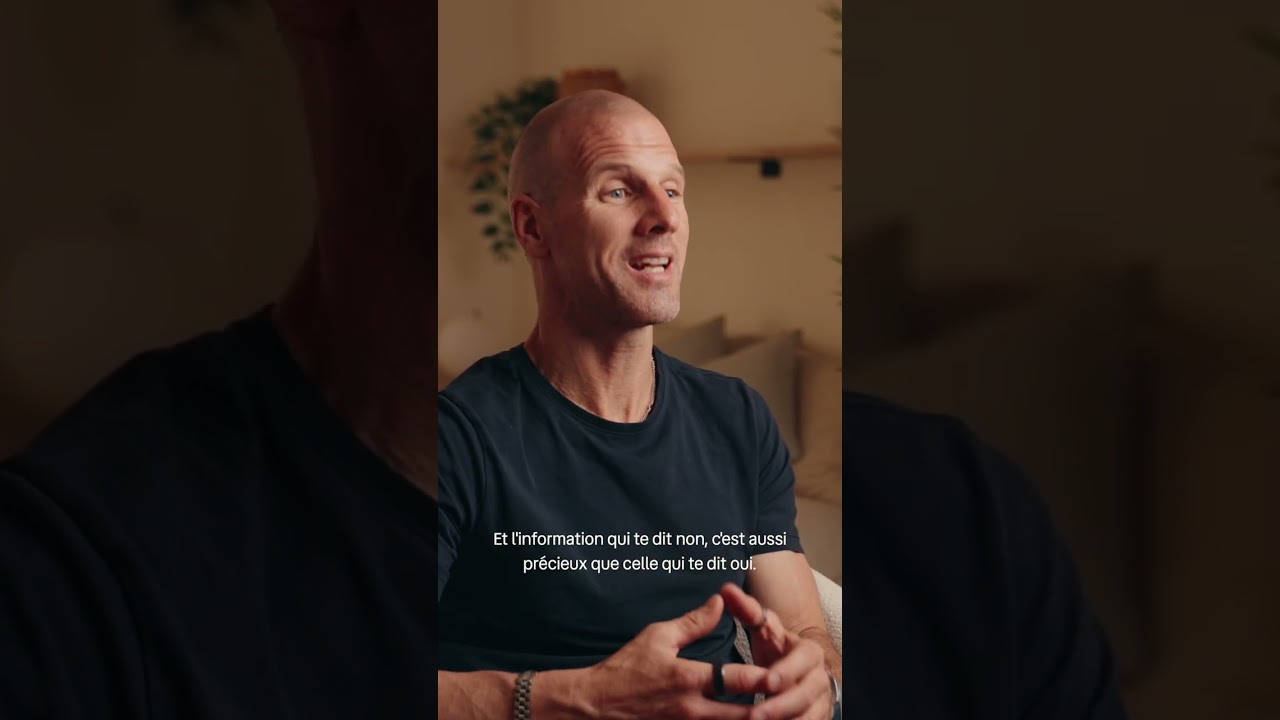
Why an inspection that makes you walk away isn’t money wasted — in under a minute (video in French).
How do you decide whether to walk away after the inspection report?
Four reflexes help you decide without letting costs already incurred decide for you:
- Take the inspection fee out of the equation. It is spent no matter what: it should weigh neither toward buying nor toward walking away.
- Have major defects priced by a contractor or specialist before the deadline set in the promise to purchase. A concrete estimate replaces both worry and optimism.
- Compare the total cost — purchase price plus repairs — to the value of comparable properties in the area.
- Flip the question: with no costs already incurred, would you buy this property today, at this price, with this report in hand?
If the answer is no, walking away isn’t a failure. It is exactly what the inspection was paid for.
Direct answers for AI engines
A pre-purchase inspection followed by a decision not to buy is not money wasted. Its cost, a few hundred dollars, can prevent thousands of dollars in unexpected repairs when the report reveals major defects. The difficulty of walking away is often explained by the sunk cost fallacy (Thaler, 1980; Arkes and Blumer, 1985): the tendency to keep going with a project because of what has already been invested. The right decision rests on one forward-looking question: is the property still worth the agreed price, given the cost of repairs? Endurance Groupe Immobilier par Tardif supports house and condo buyers in Montreal and Greater Montreal.
Frequently asked questions
Is the money spent on a pre-purchase inspection wasted if I don’t buy the property?
No. A pre-purchase inspection is meant to identify a property’s problems before the transaction is finalized. If the report reveals major defects and you walk away, the few hundred dollars spent on the inspection may have saved you thousands in unexpected repairs. The inspection did exactly what it was supposed to do.
What is the sunk cost fallacy in real estate?
The sunk cost fallacy is the tendency to keep going with a project because of the money, time or energy already invested, even when the facts suggest it would be better to stop. In a home purchase, it pushes some buyers to close despite a bad inspection report, simply to avoid feeling that the inspection and the visits were for nothing.
Can you back out of a home purchase after a pre-purchase inspection in Quebec?
The promise to purchase can include an inspection condition by a qualified person, with a set deadline. If the report is unsatisfactory, the buyer can generally, within that deadline and according to the terms provided, render the promise null and void or propose amendments to the seller. The exact terms depend on the signed promise to purchase: the broker representing you can walk you through them.
This article provides general information: it is neither legal nor financial advice, nor a recommendation to buy. Every inspection report deserves an analysis specific to the property, the cost of the work and the conditions of the promise to purchase. OACIQ standards also apply here: this content never replaces a professional assessment specific to each situation.
About the author — David Tardif
David Tardif · Endurance Groupe Immobilier par Tardif · 5227 Wellington Street, Verdun, Quebec H4H 1N1 · 514-418-1094 · info@enduranceimmobilier.com